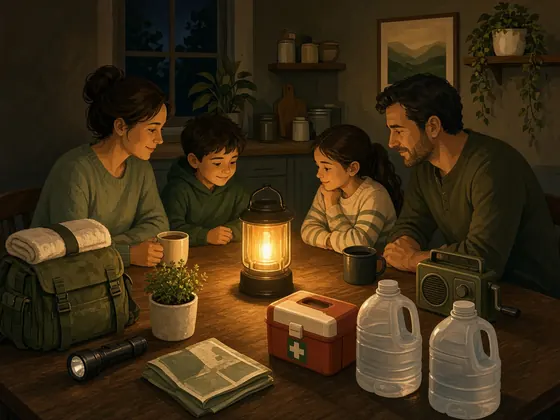
Emergency Kit Checklist: What to Pack for the First 72 Hours
The first 72 hours are when you are most on your own. Ready.gov and the Red Cross agree on the core items. Tick them off below. Your ticks save on this device.
Core kit
- Water: 1 gallon per person per day, for several days
- Food: several days of non-perishable food
- Manual can opener
- Battery or hand-crank radio (NOAA Weather Radio)
- Flashlight and extra batteries
- First aid kit
- Whistle to signal for help
- Dust masks, plastic sheeting and duct tape
- Moist towelettes, garbage bags and plastic ties
- Wrench or pliers to turn off utilities
- Local maps
- Phone charger and backup battery
Personal items
- Prescription medicines and glasses
- Infant formula, bottles, diapers
- Pet food, water and supplies
- Copies of IDs, insurance and bank records
- Cash
- Change of clothes and sturdy shoes
- Sleeping bag or warm blanket
Next step: grow your kit toward 90 days.
Recommended gear
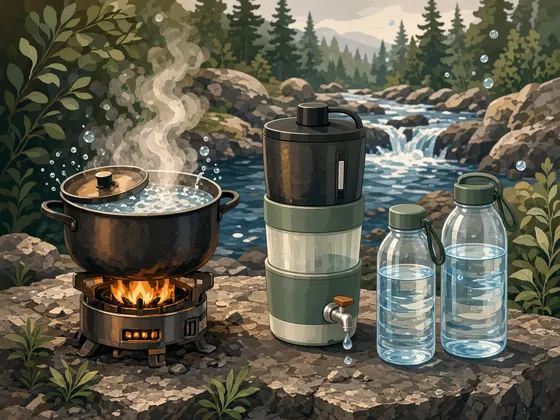
Best Emergency Water Filters and Storage
How to choose a portable or gravity water filter, water storage containers and disinfection tablets for emergencies.
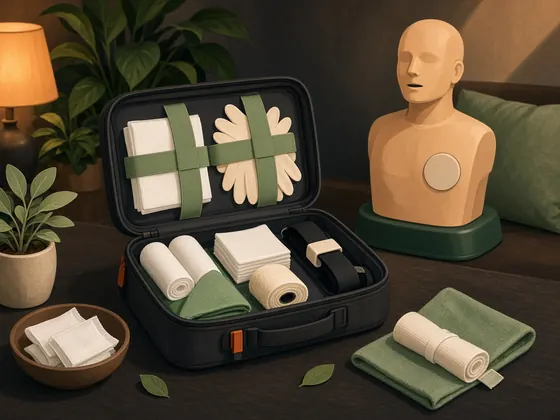
Home First Aid Kits and Bleeding Control
What to look for in a family first aid kit and a bleeding control kit, and why training matters more than gear.
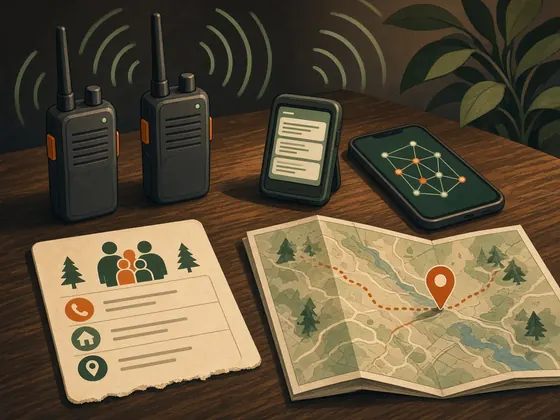
FRS and GMRS Two-Way Radios and NOAA Weather Radios
License-free FRS walkie-talkies, GMRS radios (FCC license required), and NOAA weather radios for family emergency communication.
Affiliate disclosure: Some links on this page are affiliate links. If you buy through them, we may earn a commission at no extra cost to you. As an Amazon Associate I earn from qualifying purchases. Read our affiliate disclosure.
Sources
Sources checked 2026-11-17. Official guidance changes; always follow your local authorities.